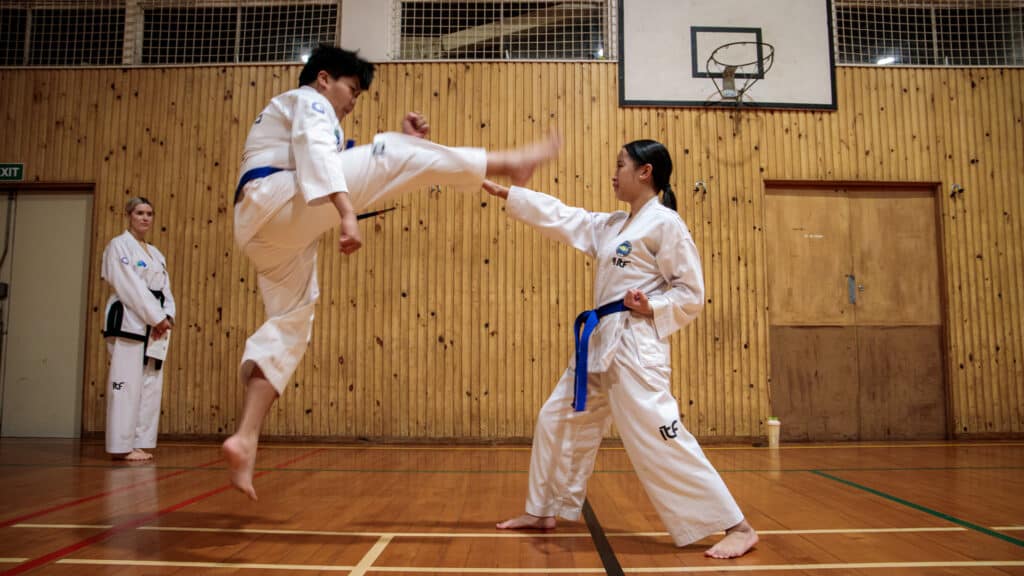
How Long Does It Really Take for Kids to Get Their First Belt?
Parents who visit Tiger Taekwon-Do sometimes think about a natural question:
“How long does it take for kids to earn their first belt?”
The answer depends on your child’s age, consistency, and confidence. The most important thing is Taekwon-Do is not a race. It is a journey that gently builds courage, focus, and self-belief long before that first coloured belt is tied around the waist.
This guide will help explain our belt system, how long the early stages usually take, and why the journey, not the belt colour, is where the real growth happens.
Understanding the Belt System in Taekwon-Do
What Does the Taekwon-Do Belt Represent?
Every Taekwon-Do belt represents a stage of personal growth. From white to black, each colour reflects learning, effort, and the evolving mindset of a student.
In traditional Taekwon-Do, the belt is not simply a marker of technique. It reflects qualities like courtesy, integrity, perseverance, self-control, and indomitable spirit.
At Tiger Taekwon-Do, we teach tamariki that their belt is a sign of their effort–how they show respect, listen, try again, and support others. Those qualities matter just as much as technique.
💡 Fun Fact:
Taekwon-Do means “the art of hand and foot,” but children learn just as much about self-control, kindness, and perseverance.
How Long Does It Usually Take to Earn the First Belt?
In our Kubz (four to six years) and Mini Kids (seven and eight years) classes, tamariki could be ready for their first grading after 10 to 12 weeks.
Rangatahi in our Juniors Plus (nine years and above) class could earn their first coloured belt, usually yellow stripe or yellow belt, after three to four months of regular training (typically two classes per week).
At Tiger Taekwon-Do, we offer a structured path that allows each child to progress at a pace that feels right for them. No pressure or rushing, just steady, supported learning.
Step-by-Step Breakdown
For rangatahi in our Juniors Plus class:
First Month: Learning the basics–bowing, simple stances, hand techniques, and understanding class routines.
Second Month: Developing balance, coordination, and respect through gentle drills and fun challenges.
Third or Fourth Month: Showing improved focus, confidence, and early pattern work during classes.
Promotion Test: When ready, students take part in a friendly, supportive grading where they demonstrate what they’ve learned. Many children finish beaming with pride.
Children’s Taekwon-Do: Building Skills for Life
Why Taekwon-Do Is Perfect for Kids
Children’s Taekwon-Do isn’t about being fast or strong. It’s about learning. It’s about confidence. It’s about discovering that they can do things today that felt too big yesterday.
Our instructors support shy, energetic, thoughtful, or hesitant children by guiding them through manageable goals that build courage one step at a time.
The Role of Instructors
Every child learns differently. Some children are ready for their first belt after a few weeks or months, while others take longer, which is perfectly okay.
Our instructors bring a blend of patience, encouragement, and relational teaching. We look for progress rather than perfection, and we celebrate every small step forward.
Why the First Belt Matters So Much
The first belt represents more than skill. It represents belief. It shows tamariki that effort leads to growth, and that they can achieve things they once thought were too hard.
When a child ties on their new belt, it’s not unusual to see their posture change and their smile widen. It is a moment of pride for them and for their whānau.
Emotional Benefits
Improved self-esteem
Better focus in school
A sense of belonging and pride
Physical Benefits
Enhanced balance and coordination
Stronger core muscles
Better posture and endurance
Traditional vs. Modern Taekwon-Do for Kids
The Traditional Way
Traditional Taekwon-Do emphasises discipline, routine, and philosophy. Children learn the five tenets–Courtesy, Integrity, Perseverance, Self-Control, and Indomitable Spirit, and begin weaving those values into their daily lives.
The Modern Approach
Modern Taekwon-Do adds creativity, games, and fitness-based activities to keep children engaged.
At Tiger Taekwon-Do, we blend both by honouring Korean traditions while making classes fun, age-appropriate, and filled with moments of achievement.
🥋 Whether they are learning a basic kick or exploring their first pattern, tamariki experience progress every week.
What Does Taekwon-Do Mean for Kids Emotionally?
Building Confidence from Within
Every bow, punch, and block carries a lesson. Children learn self-control, pride in their effort, and the quiet confidence that comes from trying something new.
They start to realise they can face challenges, keep going, and grow, one class at a time. This mindset becomes part of who they are.
Step-by-Step Journey to the First Belt
Step 1 — White Belt: The Beginning
White represents a new beginning — a child open and ready to learn.
Step 2 — Yellow Stripe: First Milestone
Students begin to show understanding of basic movements and respectful behaviour in class.
Step 3 — Yellow Belt: First Achievement
Often, this is the first coloured belt children earn. It typically takes three to four months of consistent training, but most importantly, it reflects their growing confidence and effort.
To see what your child will experience in our classes, explore our What Will I Do? and Why Taekwon-Do? pages.
How Parents Can Support the Journey
Encourage Regular Practice
Even a few minutes each day helps children feel prepared and confident.
Celebrate Progress, Not Perfection
Each small step is worth noticing. Every stripe, every attempt, every improvement counts.
Stay Connected
Keep up with updates on Facebook, and check our News Page for events and milestones. Staying involved helps children feel supported.
Is Taekwon-Do Korean? Understanding the Origin
Yes, Taekwon-Do is Korean. It developed after World War II, blending powerful traditional techniques with a strong focus on philosophy and discipline.
Understanding the cultural roots helps tamariki appreciate why respect, courtesy, and purpose are so central to the art. We often include simple Korean vocabulary in class so children understand not just what they’re learning, but why.
How Long to Black Belt? Setting Long-Term Goals
While the first belt may take a few months, earning a black belt usually takes several years — often four to five for a dedicated child.
That is part of its beauty. Every belt between white and black is a meaningful chapter of learning, leadership, resilience, and confidence.
If you’re curious about the pathway, explore our Taekwon-Do Resources page.
How Tiger Taekwon-Do Supports Every Student
At Tiger Taekwon-Do, we create an environment where children feel safe, valued, and supported. Our teaching blends traditional discipline with warm, relational guidance.
You can learn more about our Classes or try a Free Trial Class to see what our club whānau feels like in person.
When Should You Expect Your Child’s First Test?
For new Kubz, tamariki are typically invited to their first grading after 10 to 12 weeks, depending on:
Attendance
Effort and attitude at home, school, and the dojang
Understanding theme work
For Mini Kids, the wait is 10 to 12 weeks, and for Juniors Plus it is three to four months, depending on:
Attendance
Effort and attitude at home, school, and the dojang
Physical skills
Knowledge of Korean terminology and history
Your instructor will let you know when your child is ready. There is no pressure or rush. We want the experience to feel positive and affirming.
Join the Journey Today
Every child deserves to feel capable, confident, and proud.
If you feel your child is ready to begin their Taekwon-Do journey, book a Free Trial Class. You are also welcome to reach out through our Contact Page. We are here to help and to walk alongside your whānau as you get started.
