Introduction
Discipline in child development Palmerston North training is often misunderstood. Many people see it as strict rules or control; however, real discipline is something different. It is the ability to stay consistent and to take responsibility. It is doing the right thing, even when it feels difficult. For children, this skill is essential.
For children, developing this skill is essential for navigating the challenges of growth. At Tiger Taekwon-Do, discipline is never forced through fear or intimidation. Instead, it is carefully developed through a combination of clear structure, physical practise, and expert guidance. By focusing on discipline in child development Palmerston North, we help students build a foundation that supports them for a lifetime.
What Real discipline in child development Palmerston North Looks Like
What does discipline actually look like in the context of daily life? It is rarely found in grand gestures; instead, it is seen in simple, consistent actions. It is the ability to complete homework on time without being asked, the patience to listen carefully when others are speaking, and the maturity to follow instructions without requiring repeated reminders.
Disciplined children do not rely solely on fleeting motivation to achieve their goals. Motivation is often temporary and unreliable. Rather, disciplined students rely on established habits. When a child learns that their progress is the result of their own effort, they begin to value the process of work over the immediate gratification of a reward.
How Training Builds Discipline
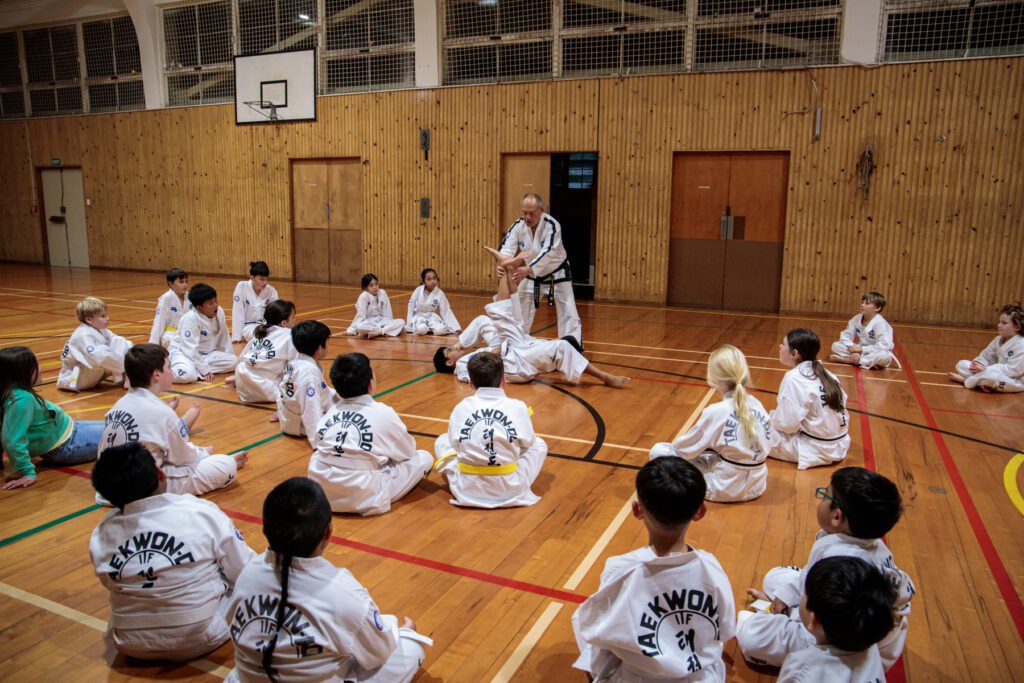
Discipline begins with the implementation of a reliable routine. In every Taekwon-Do class, students follow a clear and predictable structure:
-
The Formal Opening: Bowing and establishing focus.
-
The Dynamic Warm-up: Preparing the body and mind for work.
-
Technique Training: Focussed repetition of blocks, strikes, and patterns.
-
The Controlled Finish: Reflecting on the lesson and dismissing with respect.
There is a deliberate order and consistency to this process. When this structure is repeated regularly, it becomes familiar and comfortable. Over time, children begin to internalise this orderly approach and naturally apply the same methodical mindset to their tasks at home.
Discipline at Home
Parents are often the first to notice the positive difference in their child’s behaviour after they begin training. Because the dojang environment rewards consistency, children begin to transfer these expectations to their home environment. This transition is a key part of fostering discipline in child development Palmerston North within the family home.
You may notice your child beginning to:
-
Complete their daily chores or tasks without unnecessary delay.
-
Follow parental instructions more easily and with less resistance.
-
Take full responsibility for their actions and their belongings.
These small, incremental improvements create significant changes in the household dynamic. As daily routines become smoother, family stress begins to reduce, allowing for a more harmonious home life.
Discipline in the Classroom
The discipline developed in the training hall does not stay within those four walls. It inevitably appears in the classroom environment as well. Teachers often report that students of Taekwon-Do become more focused during lessons and more organised with their schoolwork. This academic focus is a direct result of consistent discipline in child development Palmerston North.
They become more responsible with deadlines and show a greater respect for the learning environment. When a child understands that “how they do anything is how they do everything,” their academic performance begins to reflect the discipline they practise on the mats. This academic focus is a direct result of consistent discipline in child development Palmerston North.
Self-Control and Behavioural Growth
Learning to think before acting is a core pillar of discipline in child development Palmerston North.
Discipline is closely linked to the concept of self-control. In our classes, children are taught to stay calm under pressure, control their physical reactions, and think carefully before acting. This training is vital for reducing impulsive behaviour and emotional outbursts.
By learning to manage their reactions in a controlled environment, children develop the self-regulation skills needed to avoid unnecessary conflict. Calm behaviour leads to better decision-making, which is a hallmark of a disciplined mind.
Consistency Creates Lasting Habits
It is important to remember that discipline is not built in a single day. It is a slow-growth process that develops through consistent, repeated action. Children who attend their classes and practise their techniques regularly are building a “consistency of effort.” This effort eventually hardens into lasting habits. These habits shape their daily behaviour, and their behaviour, over time, shapes their fundamental character.
Guidance That Reinforces Success
Our instructors play a pivotal role in this developmental journey. Under the guidance of Mr Lowe (6th Degree Black Belt), the team at Tiger Taekwon-Do sets clear expectations for every student. We encourage personal responsibility and reinforce positive behaviour at every opportunity. When children are guided correctly, they truly understand what discipline means and, more importantly, how to apply it to reach their full potential.
Conclusion
By fostering discipline in child development Palmerston North, we are preparing the next generation for a lifetime of achievement and focus. Ultimately, discipline is not about control or restriction. It is about consistency, responsibility, and the power of self-control. Taekwon-Do provides the structured environment where children learn to apply these values in their training, at home, and in school. By fostering discipline in child development Palmerston North, we are preparing the next generation for a lifetime of achievement.
Call to Action
Help your child build real discipline that lasts. Join Tiger Taekwon-Do today and support their growth in confidence, responsibility, and strong daily habits. Visit our website to book an introductory session and see the difference that structured training can make.
