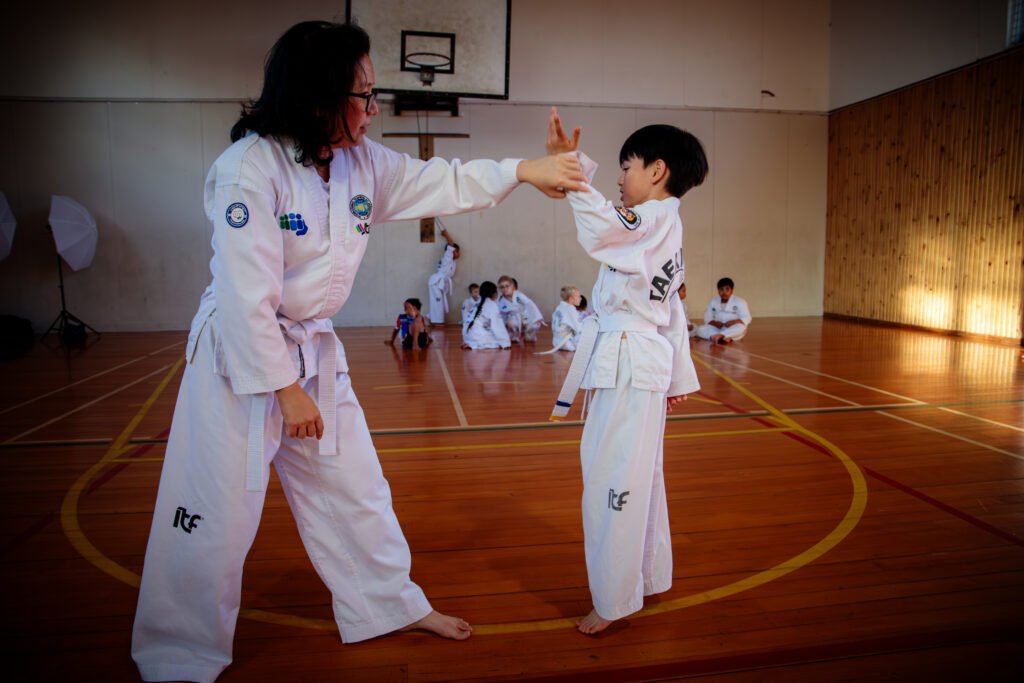
Emotional control and calm behaviour are critical life skills for children as they navigate the challenges of growing up. Young people experience a wide range of intense emotions on a daily basis, frequently encountering feelings of frustration, anger, nervousness, or feeling utterly overwhelmed by academic and social demands.
Without effective self-regulation strategies, young people often react impulsively, struggle under pressure, and find it difficult to maintain composure during stressful moments. At Tiger Taekwon-Do, students learn how to manage their feelings positively through structured discipline and physical focus. Through regular training on the floor, children systematically learn how emotional control and calm behaviour lead to greater personal confidence, patience, and resilience.
1. Why Emotional Control and Calm Behaviour Matter
Developing emotional balance during childhood is fundamental to a child’s mental well-being, personal safety, and social development.
Encouraging children to regulate their reactions helps them to:
-
Respond thoughtfully to difficult situations rather than acting out impulsively.
-
Pause and process emotions before making hasty choices under pressure.
-
Communicate politely with parents, teachers, and peers during disagreements.
-
Form healthier, more stable friendships built on mutual understanding.
Children who master these crucial self-regulation skills early in life naturally grow into far more confident, self-assured, and socially capable individuals.
2. Learning Calm Habits Through Structured Physical Training
Traditional martial arts instruction demands intense mental focus and deliberate physical restraint from every student.
During every session on the floor, children systematically learn to:
-
Follow multi-step instructions quietly and attentively without losing focus.
-
Maintain strict physical discipline during repetitive movement drills.
-
Remain composed and focused even when physical activities become demanding.
Through continuous practice on the floor, these calm routines become automatic physical habits that children draw upon outside the training hall.
3. Managing Frustration in a Positive Way
Learning complex physical movements naturally presents obstacles. Every student encounters techniques that require repeated attempts before achieving mastery.
Through regular practice on the floor, children discover that:
-
Making mistakes is a normal, healthy part of the learning process.
-
Genuine personal improvement requires patience and sustained effort.
-
Giving up in moments of frustration prevents personal growth.
This structured environment teaches young minds to view physical and mental challenges as opportunities to build resilience rather than sources of distress.
4. Developing Self-Control Step by Step
Self-regulation does not appear instantly; it requires constant reinforcement in a supportive environment.
Regular physical practice on the floor encourages children to:
-
Pause momentarily before reacting to frustrating or unexpected situations.
-
Maintain respectful physical posture and polite communication during group drills.
-
Sustain composed conduct even when feeling tired or challenged.
According to psychological research published by the Child Mind Institute, structured physical activities and predictable routines significantly strengthen emotional regulation and executive functioning skills in developing children.
5. Supportive Guidance from Professional Instructors
Mentorship plays a vital role in helping children navigate emotional challenges. At Tiger Taekwon-Do, professional instructors lead with patience, firm structure, and continuous encouragement.
During every lesson on the floor, instructors guide students to:
-
Maintain mental clarity and composure during challenging exercises.
-
View physical mistakes as constructive feedback rather than personal failures.
-
Build genuine self-worth through earned personal achievements.
This patient guidance provides young people with the security they need to process feelings safely and maturely.
6. Positive Social Interaction with Classmates
Training alongside peers offers valuable real-world opportunities to practice emotional balance and social cooperation.
When working with partners on the floor, students learn to:
-
Respect the physical boundaries and safety of their training partners.
-
Collaborate constructively during pair drills and group challenges.
-
Handle competitive scenarios with grace, humility, and sportsmanship.
These shared experiences help young people replace reactive emotional outbursts with respectful, cooperative social behaviour.
7. Positive Changes Parents Notice at Home
Parents frequently observe that emotional self-control learned during martial arts sessions transfers directly into daily family life. At home, parents often notice that their children:
-
Remain noticeably composed during stressful moments or unexpected disruptions.
-
Demonstrate greater patience with siblings and handle daily requests calmly.
-
Process disappointment or frustration with greater maturity and far fewer outbursts.
These positive behavioral shifts make daily routines smoother and foster a far more peaceful environment for the entire household.
Conclusion: Building Emotional Strength for the Future
Emotional balance and personal composure are priceless assets that support lifelong success. Tiger Taekwon-Do provides the clear structure, positive discipline, and practical guidance children need to foster emotional control and calm behaviour at every stage of development.
Join Tiger Taekwon-Do Today
Help your child build emotional resilience, self-discipline, and lasting composure in a structured, supportive setting. Contact Tiger Taekwon-Do today to arrange a trial session on the floor and support their personal growth!
