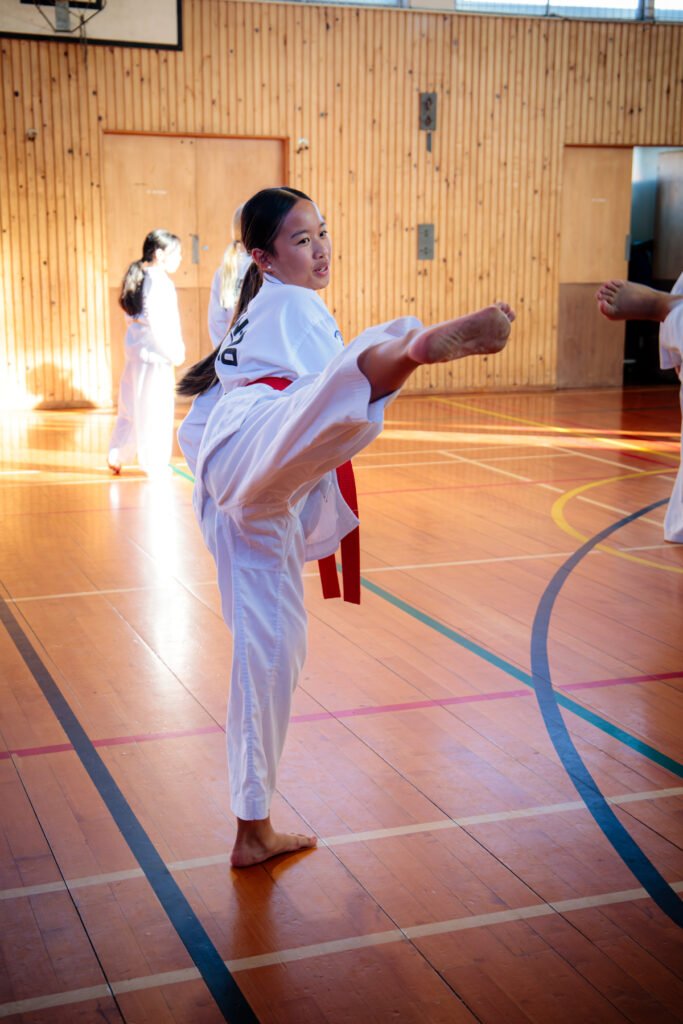
Problem-solving is an essential skill for every child’s personal growth and confidence. Every single day, young people encounter complex challenges that require clear thinking, emotional control, and decision-making. Whether navigating difficult school assignments, managing social interactions, learning new physical tasks, or controlling sudden emotional reactions, a child’s ability to solve problems determines how they handle the world around them.
Children who develop strong problem-solving skills naturally become more confident, independent, and resilient individuals. At Tiger Taekwon-Do, children learn how to think carefully, remain focused under pressure, and approach life’s obstacles with a positive mindset. Through structured training on the floor, students develop practical mental strategies that help them face difficulty with calm assurance.
Why Problem-Solving Skills Matter in Early Childhood
Problem-solving is not an innate trait that children automatically possess; it is a mental muscle that must be exercised regularly. Developing these skills early helps young people to:
-
Stay calm and collected when encountering unexpected difficulties.
-
Think critically and assess options before reacting emotionally.
-
Find constructive solutions independently and with greater self-assurance.
Without these crucial skills, children often become overwhelmed, experience intense frustration, or give up entirely when a task becomes demanding. Learning how to approach challenges positively creates a firm foundation for continuous personal growth.
Learning Through Structured Physical Challenges
Martial arts training consistently introduces children to new physical and mental challenges in a safe environment. During regular training on the floor, students frequently need to:
-
Learn unfamiliar techniques that require fine motor control and coordination.
-
Break down complex physical movements into manageable steps.
-
Correct technical mistakes through deliberate and patient practise.
These daily experiences teach children that complex tasks become manageable when approached step by step, building patience, systematic thinking, and practical problem-solving skills on the floor.
Building Confidence Through Effort and Perseverance
Children become far better problem-solvers when they genuinely believe in their ability to improve over time. As students progress through their martial arts journey, training on the floor teaches them that:
-
Physical and mental challenges can be overcome through steady application.
-
Mistakes are not failures, but valuable and necessary parts of the learning process.
-
Consistent personal effort directly leads to technical mastery.
This positive reinforcement builds a strong growth mindset, helping children rely on their own problem-solving skills instead of giving up.
Staying Calm During Difficult Situations
Effective problem-solving requires strong emotional regulation. When a child becomes flustered or anxious, logical thinking becomes nearly impossible.
Through regular drills on the floor, Taekwon-Do helps children to:
-
Maintain physical composure and deep breathing under pressure.
-
Maintain mental focus during fast-paced or challenging situations.
-
Pause and think clearly before responding to external stressors.
These valuable emotional habits significantly reduce daily frustration and lead to wiser decision-making both inside and outside the venue.
Supportive Guidance from Experienced Instructors
Mentorship plays a vital role in helping children navigate difficulties effectively. At Tiger Taekwon-Do, instructors guide students through every obstacle with patience and encouragement.
On the floor, instructors systematically teach students to:
-
Keep trying alternative approaches when a movement feels difficult.
-
Listen carefully to constructive feedback and apply corrections immediately.
-
Develop deep patience with their individual pace of physical development.
This supportive structure helps children build confidence in their problem-solving skills as they work through feedback with their instructors.
Learning Through Interaction and Observation
Training alongside peers provides exceptional opportunities for collaborative problem-solving. During partner drills on the floor, children learn to:
-
Work cooperatively with partners of varying skill levels.
-
Observe how classmates successfully navigate technical challenges.
-
Adapt their movements and responses to different training partners.
According to educational research from the Child Mind Institute, developing social adaptability and cooperative thinking during physical activities strengthens a child’s overall problem-solving capacity.
Real Household Benefits Parents Notice
Parents frequently observe meaningful improvements at home as children bring these problem-solving skills off the floor and into daily family life.
-
Far more patient when encountering difficult academic or personal tasks.
-
Noticeably less frustrated when things do not go as planned.
-
Willing to analyze household challenges and resolve them independently.
Applying Problem-Solving to School and Daily Life
The mental focus cultivated during physical training transfers directly into academic and social environments. Children who practice problem-solving on the floor naturally:
-
Approach complex schoolwork and examinations with calm determination.
-
Resolve peer disagreements through communication rather than impulsive reactions.
-
Demonstrate higher levels of independence in their daily routines.
Conclusion: Preparing Children for Future Success
Life will always present unexpected obstacles and demanding decisions. Tiger Taekwon-Do helps children build better problem-solving skills, equipping them with the resilience, clarity, and self-belief needed to navigate future challenges successfully.
Join Tiger Taekwon-Do Today
Help your child develop confidence, emotional balance, and strong problem-solving skills in a positive environment. Contact Tiger Taekwon-Do today to book a trial session on the floor and support their personal development!
