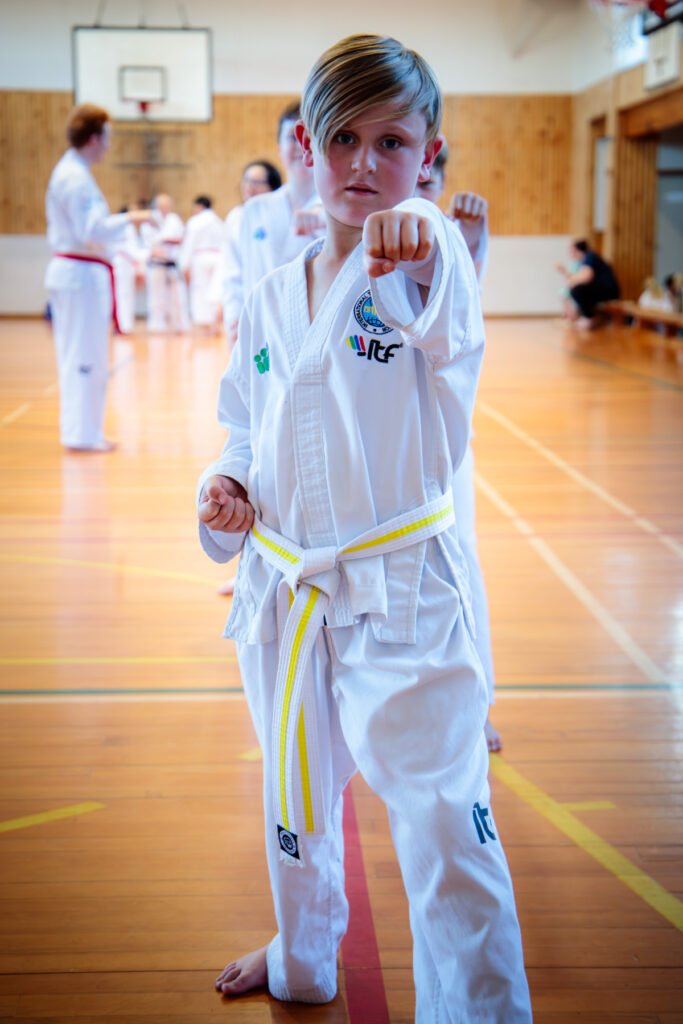
Respectful behaviour naturally forms the foundation of a child’s character, self-esteem, and social success. Respect affects every aspect of a young person’s life, influencing their daily behaviour at home, their communication with family members, their classroom attitude toward teachers, and their long-term social relationships with peers.
However, genuine respect is rarely developed through verbal reminders or forced rules alone. Children develop respectful habits best through consistent guidance, positive adult examples, and structured physical environments. At Tiger Taekwon-Do, respect is an active, essential part of every single session. Through structured training on the floor, students learn to express courtesy, self-control, and consideration until positive habits become second nature.
1. Why Respectful Behaviour Matters for Children
Learning how to act with courtesy is fundamental to a child’s emotional maturity and overall social development.
Developing these habits early enables young people to:
-
Communicate politely and express their ideas without hostility or defiance.
-
Build healthy, long-lasting relationships with peers and adult authority figures.
-
Understand personal boundaries and show consideration for the space of others.
-
Develop deep emotional maturity and social awareness.
Children who embrace respectful behaviour early in life naturally grow into far more confident, responsible, and empathetic individuals.
2. Respectful Habits as Part of Every Training Session
In traditional martial arts, etiquette is not an afterthought; it is woven directly into every movement.
During every session on the floor, students systematically learn to:
-
Listen carefully to instructors without interrupting or losing focus.
-
Show genuine courtesy to classmates during drills and practical exercises.
-
Follow group instructions promptly and responsibly.
Through consistent repetition on the floor, these polite actions cease to feel like rules and instead become automatic, natural habits.
3. Learning Respect Through Structured Discipline
Self-discipline and courtesy are closely linked in childhood development. As children participate in physical training, they quickly begin to understand that their choices affect those around them.
Through regular practice on the floor, students discover that:
-
Every physical and social action brings direct consequences.
-
Good choices create a safer, far more enjoyable environment for everyone.
-
Self-control is a sign of personal strength rather than weakness.
Structured physical training helps young people replace impulsive reactions with thoughtful, considerate choices.
4. Respecting Classmates, Instructors, and Themselves
Taekwon-Do teaches young people that courtesy applies to everyone, regardless of age or rank.
On the floor, students learn to:
-
Treat their training partners with care, ensuring safety during practical drills.
-
Respect personal boundaries and encourage classmates who may be struggling.
-
Respect themselves by maintaining high standards of personal effort and posture.
According to educational insights from the NSPCC, teaching young people about self-respect and mutual boundaries fosters positive emotional well-being and healthier relationships.
5. Positive Role Models from Professional Instructors
Children absorb behaviour by watching how adults interact around them. At Tiger Taekwon-Do, instructors lead by example, maintaining high standards of professionalism and calm authority.
During every lesson on the floor, instructors:
-
Demonstrate calm, polite, and encouraging communication at all times.
-
Praise effort and good conduct publicly while offering constructive feedback privately.
-
Guide students with patience, consistency, and fairness.
This clear example gives children a strong model of how strength and kindness operate together.
6. Creating a Supportive Training Environment
A polite atmosphere creates a safe space where young people feel confident to learn and take on challenges.
When training together on the floor, children learn to:
-
Celebrate the progress of their peers rather than indulging in negative rivalry.
-
Include others in group exercises and offer help to newer students.
-
Work cooperatively as a team toward shared belt goals.
This supportive environment transforms social interaction into a positive experience built on mutual encouragement.
7. Positive Changes Parents Frequently Observe at Home
Parents frequently report meaningful, positive changes in family life once their children commit to regular training. At home, parents often notice that their children:
-
Respond far more politely when spoken to by parents or relatives.
-
Listen more attentively during family conversations and daily requests.
-
Show greater patience with siblings and handle domestic frustration calmly.
These positive shifts make daily routines smoother and create a far more peaceful household environment.
Conclusion: Building Strong Character for the Future
Courtesy and consideration are lifelong values that shape a child’s future path. Tiger Taekwon-Do helps children develop respectful behaviour naturally, providing the structure, discipline, and encouragement needed to build outstanding personal character.
Join Tiger Taekwon-Do Today
Help your child build courtesy, emotional balance, and natural self-discipline in a supportive environment. Contact Tiger Taekwon-Do today to book a trial session on the floor and support their personal development!
